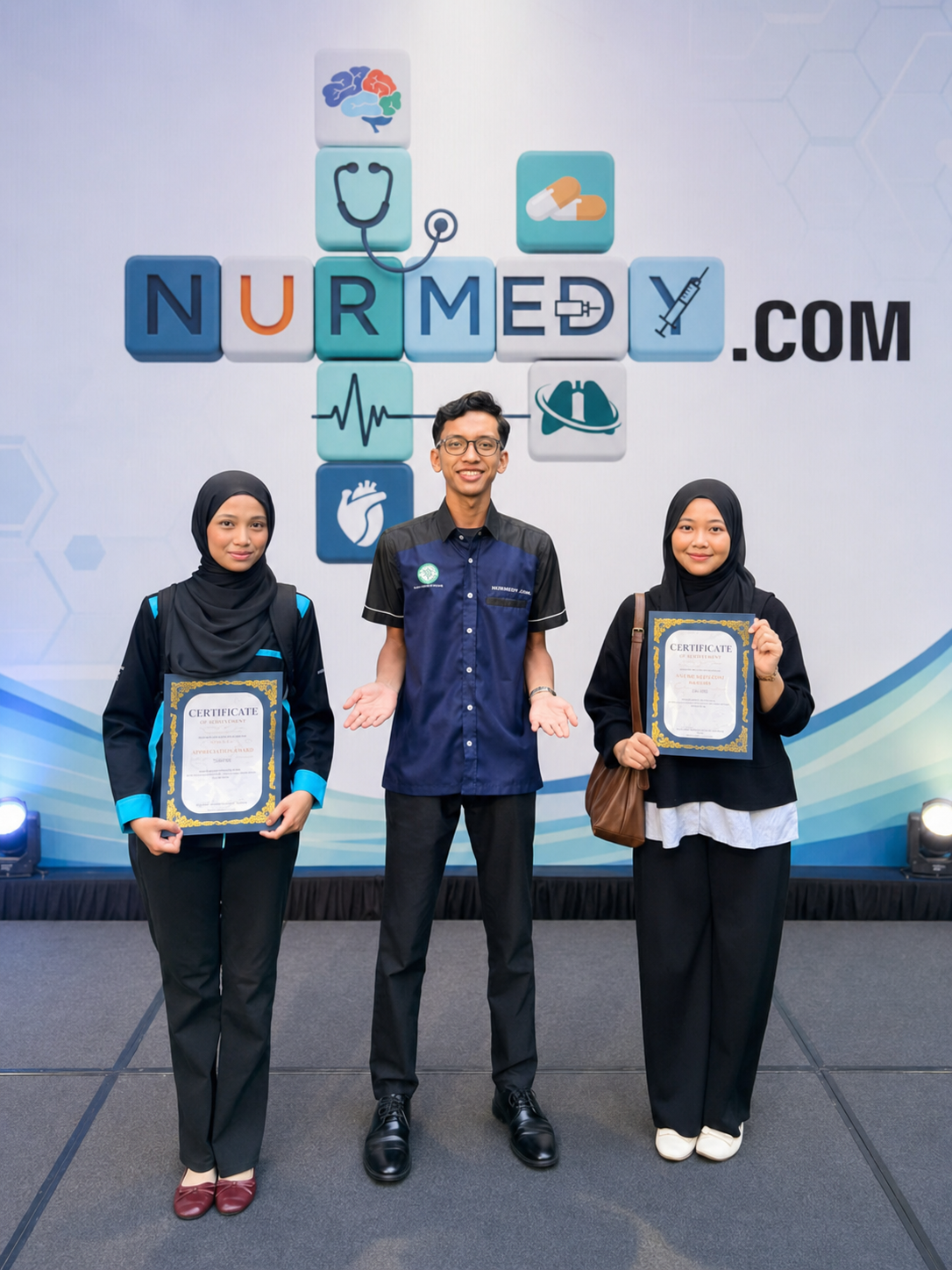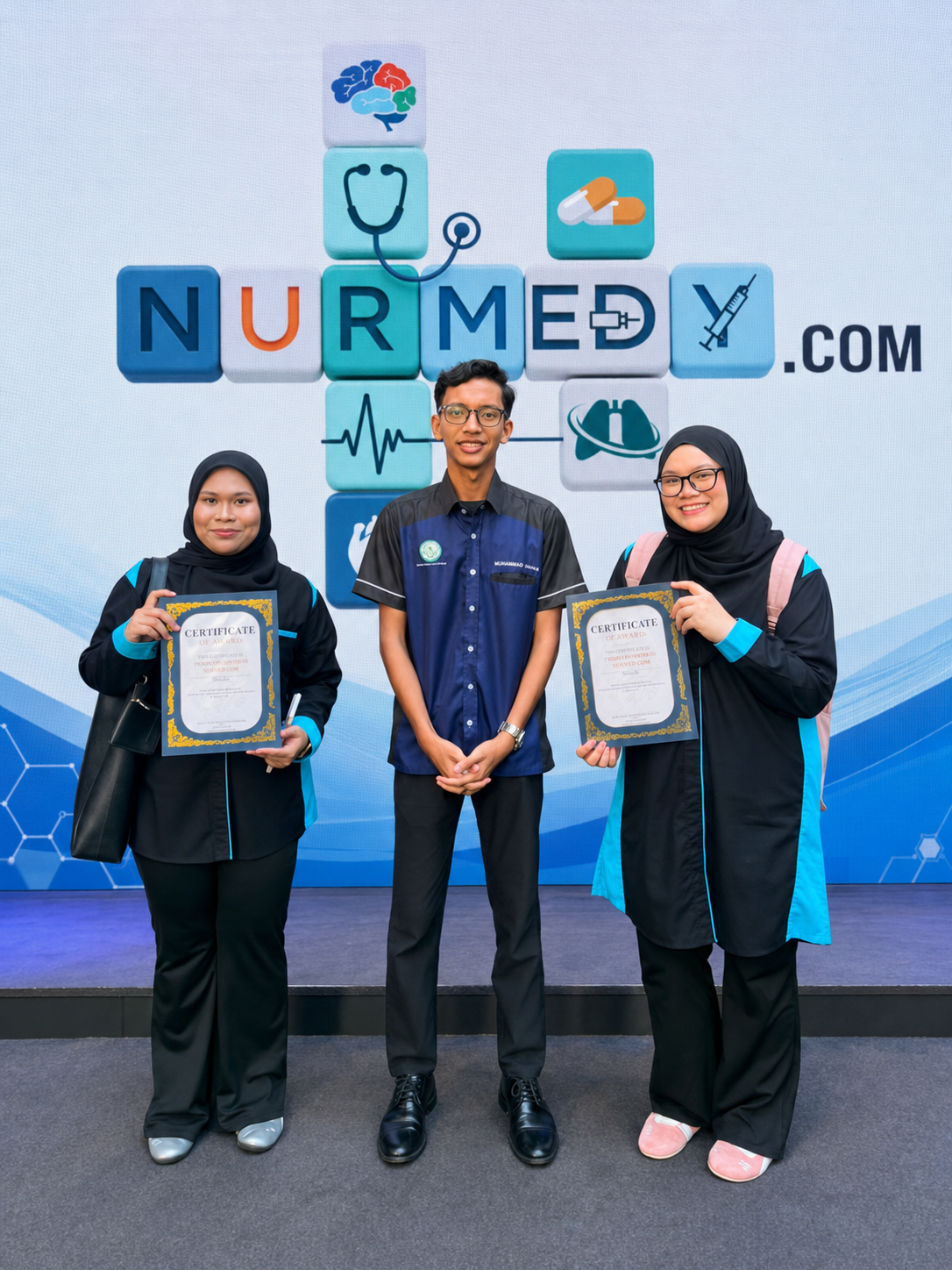
Turning Revision into an Experience
Through interactive educational games hosted on the platform, students were encouraged to test their knowledge, revisit important nursing concepts and challenge themselves in a more engaging and competitive learning environment. Rather than positioning gamification simply as entertainment, the initiative explored its potential as a meaningful educational strategy for nursing students approaching professional practice.
Throughout the programme, participants were exposed to a variety of gamified activities including crosswords, quizzes, drag-and-match exercises and flashcards covering nursing-related topics such as the nervous system, genitourinary terminology, hormones, maternity terminology, the National Immunisation Schedule, mental health terminology, anti-arrhythmia and inotropic medications, drug administration abbreviations and simple ECG interpretation.
The competition was structured across three weeks, with educational game tasks introduced progressively throughout the programme. Students demonstrated active participation in the weekly activities, reflecting encouraging levels of interest and motivation towards self-directed learning and revision.
When a Student Programme Meets Student Research
What makes this initiative particularly noteworthy is that it extended beyond a student competition. The programme was also conducted in conjunction with the Final Year Project research of Sr. Aida Hannani Mohd Azuan, a final-year nursing student at the Kulliyyah of Nursing, IIUM.
Her research adds an important academic dimension to the initiative by examining whether the use of the Nurmedy game may contribute to students’ academic preparation for one of the most significant examinations of their undergraduate nursing journey.
In other words, students were not merely playing educational games for a competition. The initiative also provided a real-world setting in which the potential educational value of gamification could be studied systematically.
While programme feedback tells us whether students enjoyed the experience, the research asks an even more important question: can gamified learning make a measurable difference to academic performance?
Positive Responses from Students
Early feedback from participants has been encouraging. Students generally reported positive experiences with both the organisation and implementation of the competition. Participants felt that the gamified activities made learning more engaging, enjoyable and motivating than traditional revision approaches. Students also reported perceived improvements in their understanding of nursing concepts, critical thinking and self-directed learning, while Nurmedy.com was regarded as a user-friendly platform for supporting online learning.
Participants nevertheless offered valuable suggestions for future improvement, including incorporating more clinical case-based challenges, expanding the variety of educational games and extending the duration of future competitions.
More Than Just an Online Quiz
For NurSS, the programme demonstrates what can be achieved when students themselves take ownership of educational innovation. For Nurmedy.com, the initiative represents an opportunity to move beyond being simply an online quiz or educational game platform. Its involvement demonstrates how digital learning tools can potentially become part of a wider educational ecosystem connecting revision, student engagement, research and innovation in nursing education.
The programme also reflects a broader shift within nursing education towards learning approaches that are more interactive, accessible and responsive to the needs of contemporary learners.